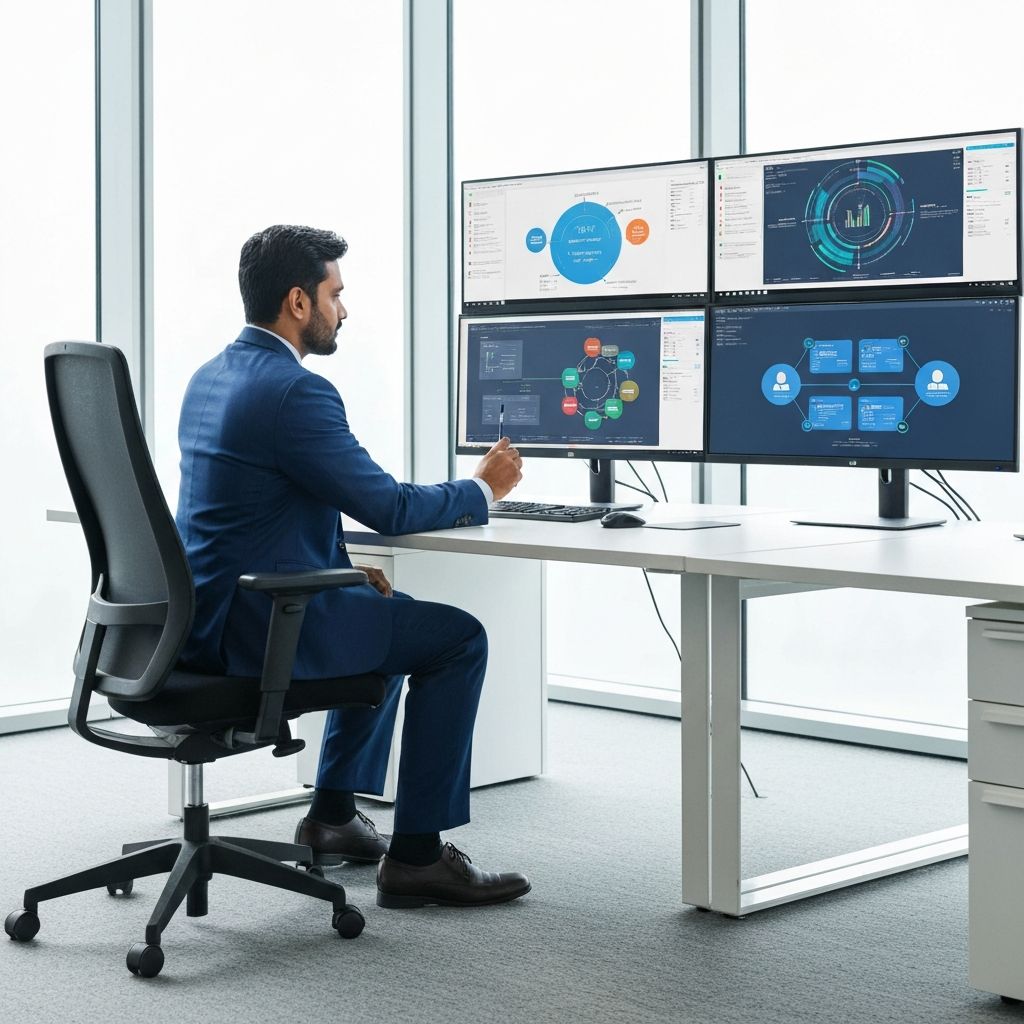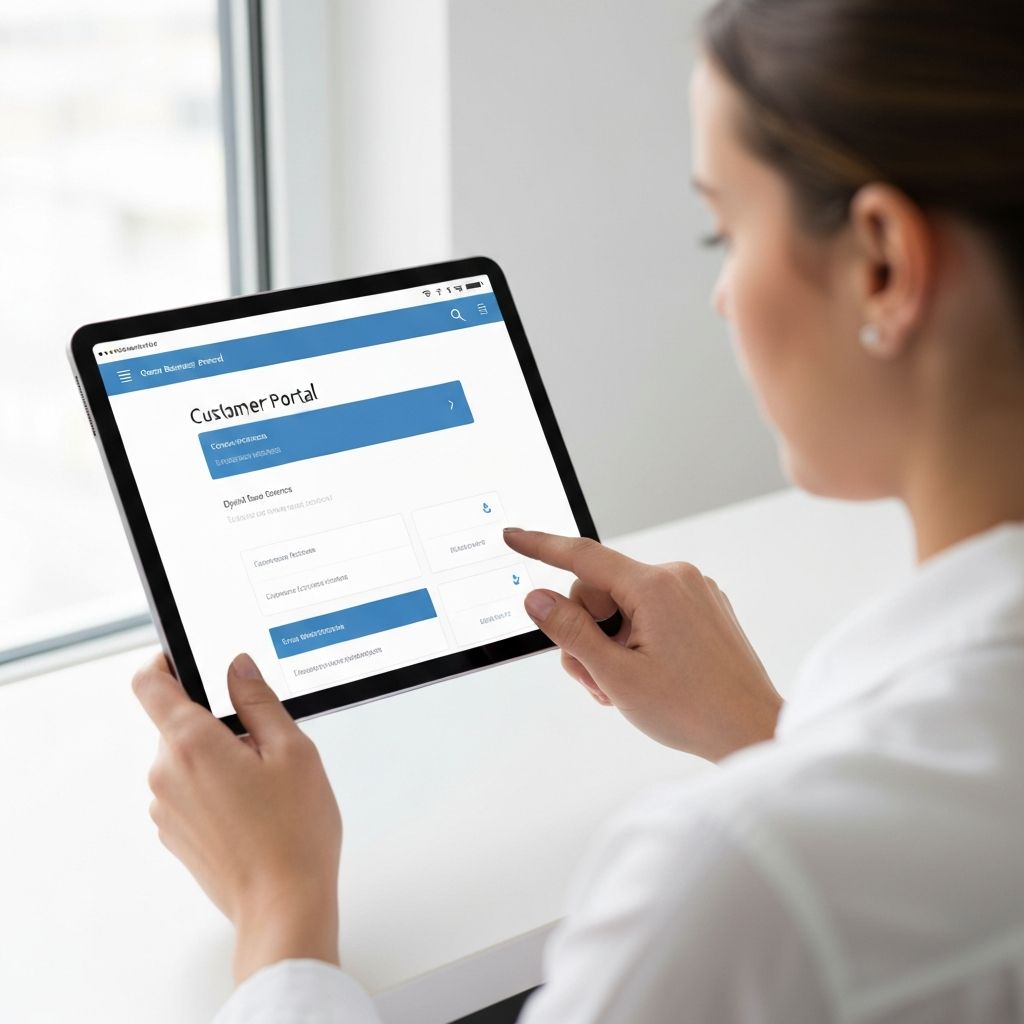
In an era where customers expect immediate access to information and self-service options, a well-designed client portal can transform your customer relationships while reducing operational burden on your team.
The Case for Client Portals
Customer Expectations Have Changed
Today's customers expect 24/7 access to their information. They want to check order status, review invoices, and access documents without waiting for business hours or a callback.
Operational Efficiency
Every customer inquiry that can be self-served is time your team can spend on higher-value activities. A portal reduces support volume while improving customer satisfaction.
Competitive Differentiation
A polished, functional portal signals professionalism and customer focus. It can be a deciding factor for customers choosing between providers.
Essential Portal Features
Core Functionality
- Account overview: At-a-glance view of relationship status
- Document access: Invoices, contracts, reports, deliverables
- Order/project tracking: Real-time visibility into work progress
- Communication history: Past conversations and decisions
- Support requests: Easy way to get help when self-service isn't enough
Advanced Features
- Analytics and reporting: Insights into their engagement with your services
- Online payments: Convenient payment options
- Resource library: Training materials, documentation, best practices
- Approval workflows: Digital approval of quotes, designs, or deliverables
Design Principles for Effective Portals
Simplicity First
Customers don't want to learn a complex system. Design for the most common tasks and make them obvious. Advanced features should be accessible but not in the way.
Mobile-Friendly
Many customers will access your portal from mobile devices. Responsive design isn't optional—it's essential.
Consistent Branding
Your portal is an extension of your brand. It should look and feel like the rest of your customer experience.
Fast and Reliable
Performance matters. Slow load times frustrate users and undermine the convenience a portal should provide.
Implementation Considerations
Build vs. Buy
Off-the-shelf solutions offer quick deployment but limited customization. Custom development provides exact fit but requires more investment. The right choice depends on your specific needs and how central the portal is to your customer experience.
Integration Requirements
Portals need data from multiple systems: CRM, billing, project management, document storage. Plan integrations carefully—a portal showing stale data is worse than no portal.
Security
Customer data requires protection. Implement strong authentication, encrypt sensitive data, and follow security best practices.
Measuring Portal Success
Track metrics like:
- Portal adoption rate among customers
- Self-service resolution rate
- Support ticket volume changes
- Customer satisfaction scores
- Feature usage patterns
A client portal is an investment in customer relationships. Done well, it strengthens loyalty while improving operational efficiency—a rare win-win in business.